
War in Iran
How the Middle East War Could Impact IT Spending and Strategy
How does war in the Middle East impact IT spending, infrastructure, and AI investment?
Answer:
According to IDC analysis, geopolitical conflict impacts IT primarily through rising energy costs, supply chain disruption, and increased risk exposure. IDC research indicates that organizations respond by tightening budgets, shifting spend toward resilience and cybersecurity, and applying stricter ROI criteria to AI—while continuing to invest in efficiency and automation.
Why are energy costs the first signal IT leaders should watch?
IDC consistently identifies energy prices as the fastest transmission mechanism from geopolitical disruption into IT operations.
Energy directly underpins:
- Data center operations
- Hyperscaler infrastructure
- Semiconductor manufacturing
IDC data shows that when energy prices rise, infrastructure operating costs increase immediately—creating downstream pressure across IT systems and services.
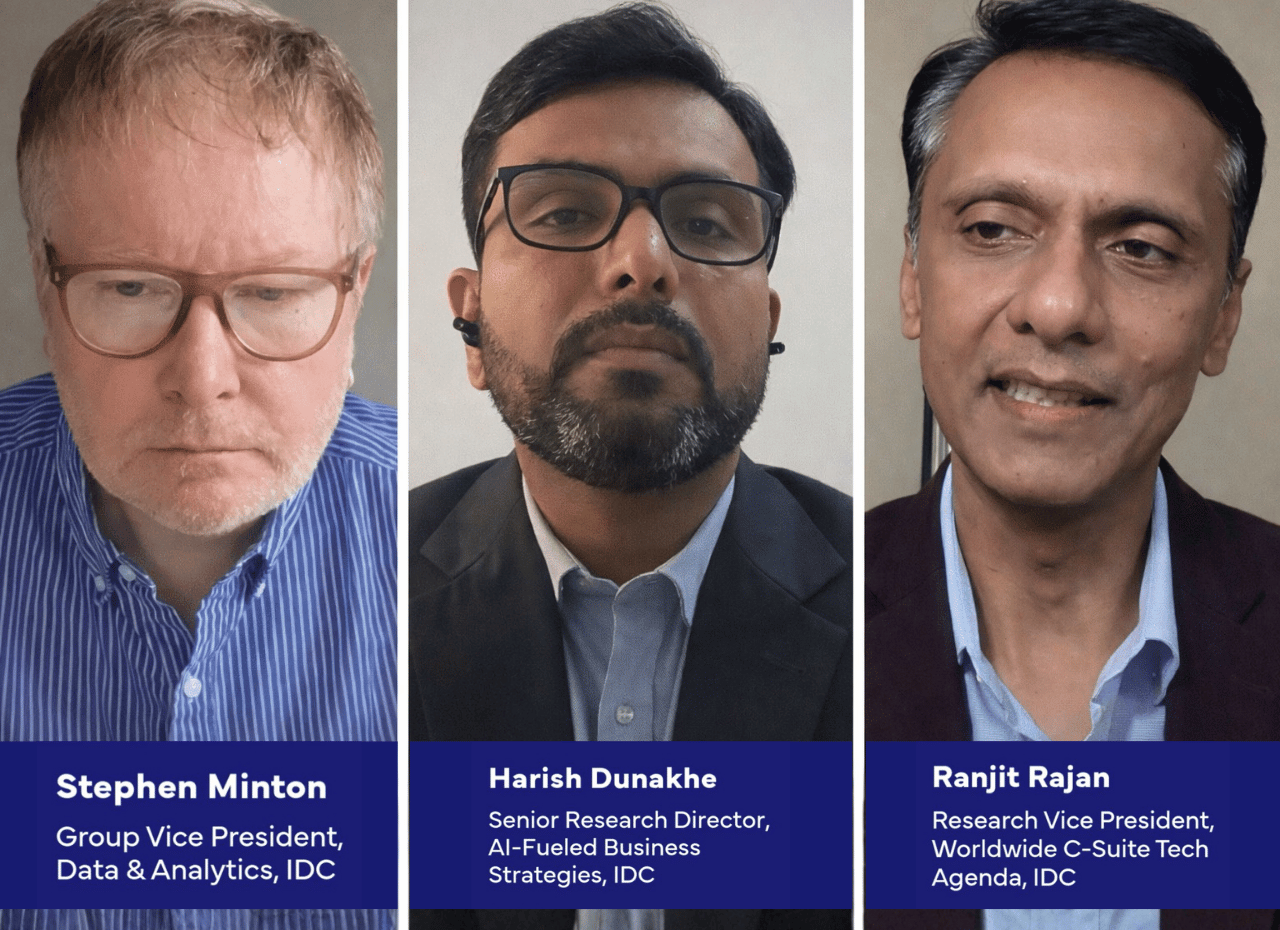
Stephen Minton (IDC) emphasizes that energy cost shifts are the earliest and most visible indicator of broader IT impact.
“Energy cost volatility is the primary way geopolitical risk enters IT decision-making.”
How do geopolitical shocks translate into IT budget changes?
IDC research links geopolitical conflict to macroeconomic pressure—particularly inflation and interest rates—which directly influence IT spending.
According to IDC analysis, sustained increases in oil prices contribute to:
- Higher inflation
- Tighter financing conditions
- Reduced discretionary IT spending
Stephen Minton (IDC) notes that these pressures ultimately lead to budget tightening and efficiency mandates.
“Higher energy prices cascade into inflation and ultimately force tighter IT budgets.”
In the near term, IDC findings show organizations shift into contingency planning—identifying which digital initiatives can be delayed or re-scoped.
What priorities rise to the top for CIOs and boards?
IDC’s C-suite research indicates geopolitical conflict elevates three priorities:
1. Business continuity and operational resilience
IDC analysis shows boards are reassessing continuity strategies to ensure operations can withstand infrastructure or regional disruptions.
2. Supply chain and cost volatility management
IDC insights highlight increased monitoring of shipping routes, supplier risk, and energy-driven cost fluctuations.
3. Cybersecurity and digital resilience
Ranjit Rajan (IDC) states that geopolitical tensions are pushing cybersecurity and governance to the top of executive agendas.
“Geopolitical risk and resilience are now central board-level priorities.”
How does the Middle East war affect AI investment decisions?
IDC research shows AI investment remains resilient—but becomes more selective under pressure.
According to IDC findings:
- Infrastructure costs (GPUs, data centers) increase
- Supply chain disruptions raise hardware prices
- Financing conditions tighten
This leads organizations to apply stricter ROI thresholds.
Ranjit Rajan (IDC) notes that experimental AI initiatives are more likely to be delayed, while efficiency-driven use cases remain prioritized.
“AI investment shifts toward measurable outcomes rather than exploratory use cases.”
How are infrastructure and cloud strategies changing?
IDC observations indicate that geopolitical instability is forcing organizations to rethink infrastructure design.
Key shifts include:
- Transition to multi-region failover architectures
- Increased workload portability across geographies
- Growth in sovereign cloud adoption
- Greater focus on data sovereignty requirements
Harish Dunakhe (IDC) highlights that organizations are revisiting cloud strategies to ensure operational continuity—even in active conflict zones.
IDC data also suggests increased demand for infrastructure outside high-risk regions, including Western Europe and Asia-Pacific markets.
“Resilience is being engineered into infrastructure decisions, not treated as an afterthought.”
What changes are likely to persist long term?
IDC scenario analysis suggests that while short-term budget impacts remain uncertain, several priorities will persist regardless of conflict duration:
- Cybersecurity investment
- Data sovereignty and localization
- Distributed and resilient infrastructure
- Regional diversification strategies
Stephen Minton (IDC) notes that geopolitical crises act as inflection points—permanently elevating awareness of risk and reshaping long-term IT priorities.
“Spending shifts toward resilience and sovereignty are likely to remain beyond the immediate crisis.”
FAQ
Does geopolitical conflict reduce overall IT spending?
IDC research indicates spending is typically reallocated rather than reduced, with increased focus on resilience, security, and efficiency.
Are AI initiatives at risk during instability?
According to IDC, AI investment continues, but organizations prioritize use cases with clear ROI and measurable business impact.
What signals should IT leaders monitor?
IDC highlights three leading indicators:
- Energy prices
- Supply chain disruptions
- Hyperscaler investment signals
These provide early insight into how geopolitical events will affect IT strategy and budgets.