Asian banks need technology investment to continue their growth momentum. The industry is robust, with nineteen of the top 50 global banks being Asia-based. If these banks do not continue investing in emerging technologies to drive innovation and productivity, they may face increased resilience risks in the long run.

The Asian banking sector has faced numerous challenges and is rapidly evolving due to geopolitical tensions, rising interest rates, growing needs for inclusion and microfinance, increasing demand for hyper-personalized services, a worsening risk environment, operational efficiency issues, and tighter regulatory oversight.
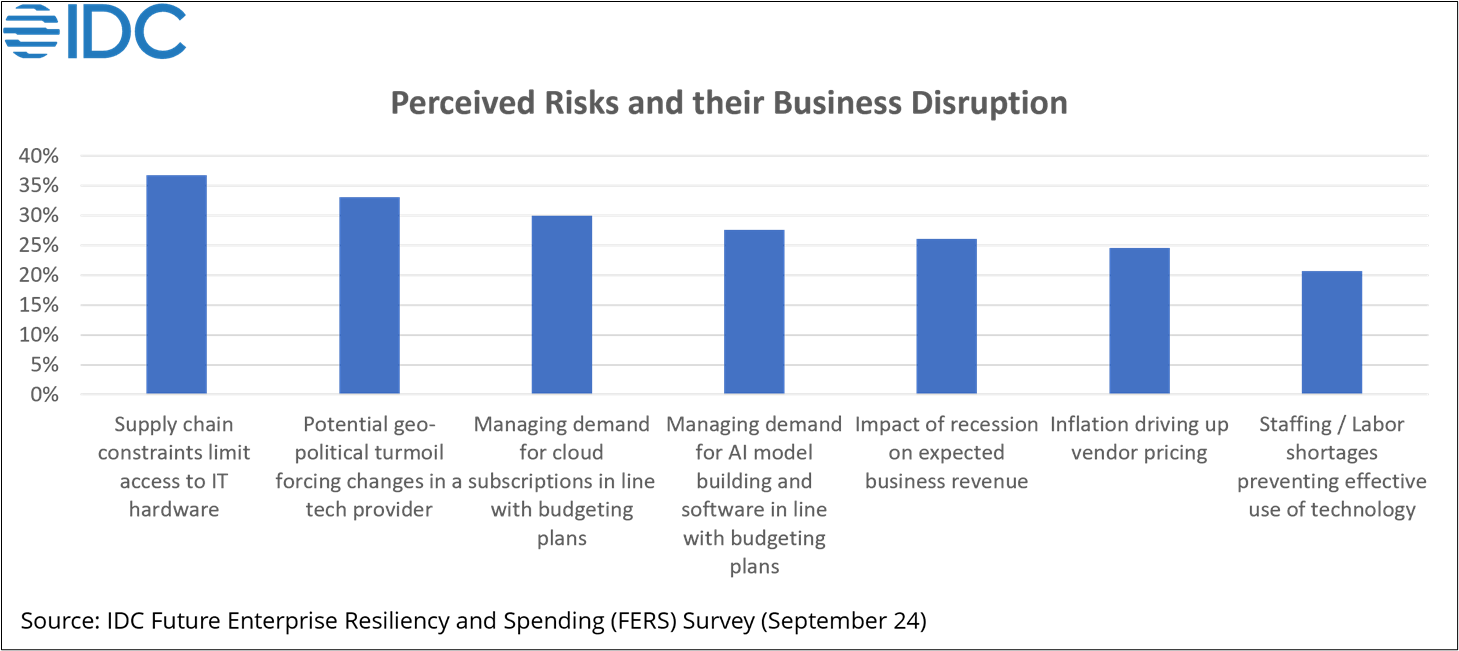
Each of these challenges require technology investments. In this context, the bank must decide on what its priority investments will be. Let’s take a look at some of the potential winners for 2025 and beyond.


Banks need to be agile in their transformation initiatives. Agility depends on a combination of technology infrastructure and a strategy that supports quick deployment of new capabilities. This could involve a platform strategy, microservices for easy integration, or a mix of adopting and building. Choosing the right approach is both an art and a science.

What is needed is an infrastructure that facilitates innovation. All of us who have struggled with the “Technology Bill of Material” understand that the legacy infrastructure setup processes are in months in an age where innovation, POC, and A/B tests are required within days. That is where cloud computing is important, and it must be in the mix. Cloud computing is also important as more of the enhancements require extensive data computing.

While agility helps build an architecture for fast innovation deployment, banks still need to decide on enhancements. Three factors are coming into play in today’s digital age. These are functionalities that increase revenue, automation opportunities to improve efficiency, and, finally, build trust through resiliency and avoiding financial crime.

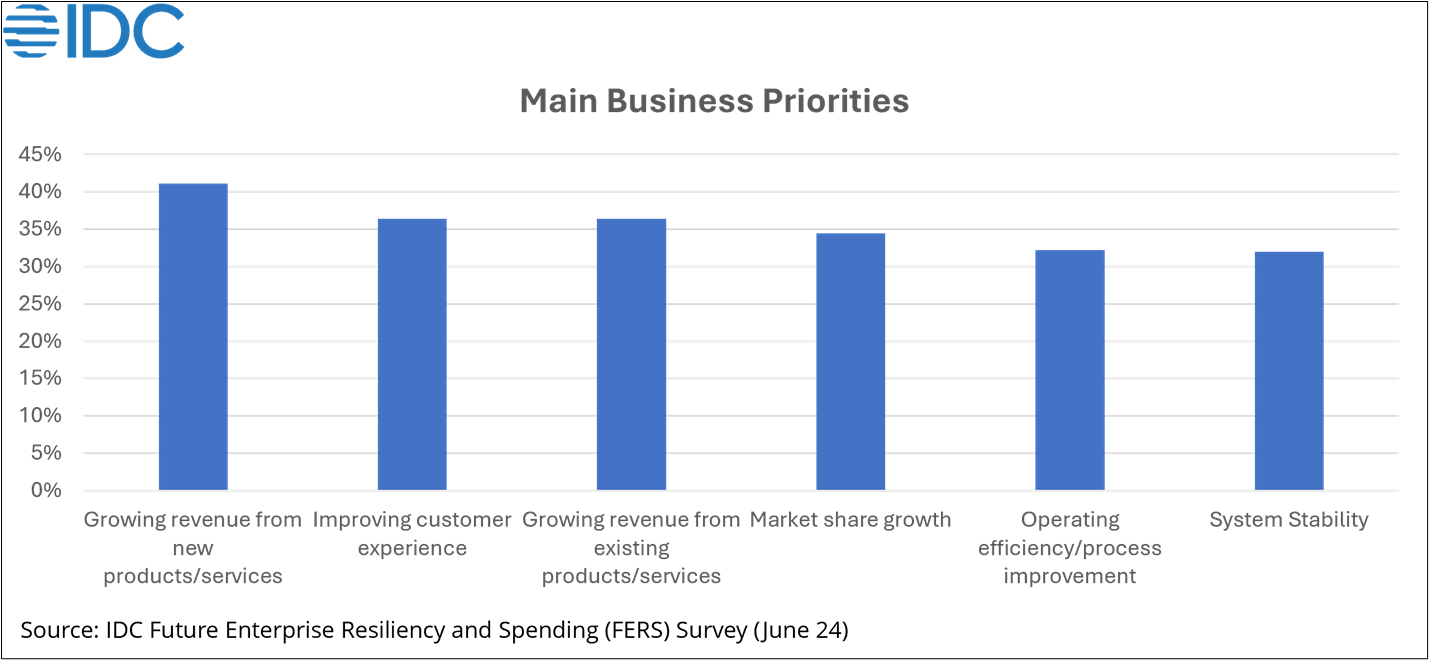
In IDC’s survey (June 2024), 41% of the banks stated that they require new products and services to generate revenues.
Launching any new product requires data, which may comprise of a mix of synthetic data generation and data management techniques. It also requires effort to build the right models, whether that may be techniques like graph and RAG or models such as agentic, generative, predictive, or interpretative. Servicing, operational excellence, and risk management remain the main areas of deployment. Embedded finance and new product development are good use cases for revenue enhancements through AI deployment.

Climate risk is also emerging as a real threat, impacting project risks and worsening personal credit. Extreme weather events affect individuals’ ability and willingness to make payments. Investing in geospatial data-based solutions could be a smart long-term strategy.

Placing these bets could eventually lead to positive leverage for Asian BFSI players.

Join me and my team at our 2025 Financial Services event series happening across Singapore, China, and India from June to August. We’ll explore the latest trends in DX adoption by Asian banks and demonstrate how financial leaders can build holistic ecosystems with technology. Learn how to reap AI benefits through operational efficiency and improved customer experience in a multi-polar world. Also, don’t miss our upcoming webinar on Driving Growth Beyond AI in Banking and Financial Services – register today!


Ashish Kakar - Research Director - IDC

Dr. Ashish Kakar is research director for IDC Financial Insights in Asia/Pacific. Based in Singapore, he is the lead Financial Insights analyst responsible for all aspects of banking and insurance research. Dr. Ashish's own interest is in fraud and risk, resilience, customer centricity, AI/ML, retail banking, insurance, alternative investment management, cloud and infrastructure, and credit risk management. Prior to joining IDC, Dr. Ashish had over 16 years' experience in Citibank, five years' experience with insurance companies, and has run his own asset management start-up for two years. In his last role in Citibank, Dr. Ashish managed processes across banking technology, servicing operations, and product. He was a regional senior with oversight of the Asia and Europe operations.

On the 1st of February, India’s Finance Minister delivered the 8th consecutive Union budget. While the focus of several earlier budgets was to boost the economy via large Government Capital Expenditure (Capex) plans while setting the stage for the Private sector Capex to follow, the 2025 budget adds a new dimension.

The focus of this year’s budget is to spur private consumption to boost an otherwise slowing economy while maintaining Capex and ensuring fiscal prudence. The good news is that it continues to recognize the importance of the technology ecosystem in bringing long-term growth to the economy, in line with the changing dynamics of the business world. This budget will have a positive mid- to long-term impact on the economy via the various initiatives it has announced, subject to all of them being executed on time. The budget aims to strengthen the foundations for the tech sector via setting up a digital infrastructure, easing supply side constraints (financial & skills), and laying the groundwork for self-reliance. It does so in a few ways:

Digital Infrastructure Build

  • Funding India AI Mission: According to IDC, worldwide spending on AI would cross $600B and India’s domestic spending on AI is going to cross $9B by 2028 (IDC AI and GenAI Spending Guide, 2024V2, Aug 2024). In this budget, the ‘India AI Mission’ is allocated $267M (INR 2000 crore) to boost AI infrastructure capability, ecosystem development, and policy and use case formulation in India. This will be aided by India’s plan of setting up an 18,000 GPU cluster to enable Indian startups to build LLMs and multi-modal AI systems. With this, India is positioning itself well to play a key role in global AI adoption of models, ethics and governance at a global level, in addition to being a potential use case capital of the world.
  • Setting Up of National Geospatial Mission: The launch of the National Geospatial Mission to build geospatial infrastructure and data and modernize land records, along with the initiative to open private sector access to data and maps from the PM Gati Shakti portal, will give a fillip to technology startups focused on logistics, agriculture, weather etc.
  • Creation of the Bharat TradeNet Platform: This initiative will leverage India’s Digital Public Infrastructure for unified trade documentation boosting exports.

These announcements must be seen in the context of earlier announcements to drive AI innovation such as the launch of an AI Datasets Platform that includes non-PII data from different sources. The budget underlines the continued commitment of the Indian Government in building a robust foundation of data, infrastructure, capital and use cases for technology-led growth.

Easing Supply Side Constraints

  • Skill Constraints: One of the challenges the technology industry is facing is the skill gap between industry demand and market supply. According to the IDC FutureScape: Worldwide Digital Business and AI Transformation 2025 Predictions — India Implications by 2027, 55% of India-based organizations will experience digital skills shortages that will cause project delays, slowing AI technology implementations into the following year. To address this, the budget has increased the intake into IITs, created additional provisions for technology-related fellowships, and announced an additional AI Center of Excellence in addition to the ones announced earlier. In the long term, the announcement to create 50,000 Atal Tinkering Labs in government schools to encourage scientific thinking can be transformatory.
  • Financial Constraints: One of the most effective proposals is the creation of the SIDBI Fund of Funds for Startups with a capital infusion of INR 10,000 crore (approx. $1.2 bn) and the Deep Tech Fund of Funds to invest in leading edge technologies. This will aid in ensuring promising startups can secure funding, thus paving the way for the next set of unicorns that will generate employment and revenues while potentially benefiting industries such as agriculture, education and manufacturing. According to IDC FutureScape: Worldwide Digital Business and AI Transformation 2025 Predictions — India Implications by 2026, 70% of India-based AI digital-natives, start-ups, and scale-ups will implement responsible AI policies to address trust concerns raised by IT and business leaders. We expect start-ups to leverage this fund effectively to strengthen their products with more focus on governance and responsible AI which will make their products more competitive and robust in addition to working on language models and use cases.

Self- Reliance

Over the years, the current government has introduced several incentives to boost local manufacturing to cater to global and local demand. The global demand for artificial intelligence (AI) and high-performance computing (HPC) will continue to rise, growing by over 15% in 2025, according to IDC ’s latest Worldwide Semiconductor Technology Supply Chain Intelligence report. In this budget, the government has decided to tweak and rationalize customs duties on several components in the manufacture of electronic products. This supports the long-term plan and aspiration to make India a manufacturing hub and promotes self-reliance in technology, among other things.

Another notable announcement includes the National Framework for Global Capability Centers (GCCs) to promote tier-2 cities for setting up GCCs. This will boost local employment opportunities for technology talent across India and solidify India’s position as the hub for GCCs, thereby propelling business for IT vendors who serve the GCC space.

In summary, the India Union Budget 2025 is forward-looking and has the government focusing on the right initiatives to position India as a strong and vibrant digital-driven economy. It reaffirms the Indian government’s faith in the Indian technology sector being a key driver for growth. Indian technology firms should leverage the initiatives launched by the government to innovate and produce cutting edge products and services.

Download this presentation excerpt to learn how to navigate challenges and seize opportunities in India’s evolving digital business landscape. To leverage IDC India’s technology research and advisory expertise, contact IDC today.

Vasant Rao and Sharath Srinivasamurthy contributed to this blog.

If software sourcing is a major headache for your organization, you’re not alone. 70% of North American IT executives consider software sourcing and vendor selection a major source of frustration. And, it’s no wonder. 

The average software sourcing process involves 28 stakeholders and takes six months. That’s six months of manual research, vendor meetings, demos, internal debates, and ultimately, a decision that still may not be fully informed.  
 
It’s time to embrace a faster, smarter way forward. 

Introducing IDC TechMatch, the first AI-driven software sourcing platform that empowers you to make confident software investment decisions faster using the industry’s leading technology market research and data. 

IDC TechMatch: Software Sourcing Designed for Tomorrow’s Tech Leaders  

Today’s CIOs are taking on more responsibility to shape the future of their organizations. They are expected to make strategic decisions that drive innovation and business growth with limited time and resources. With the pressure to deliver results quickly and efficiently, having the right tools at hand is critical.  

With its AI-enhanced capabilities, IDC TechMatch offers a revolutionary approach that dramatically reduces the time, effort, and complexity traditionally involved in the process. IDC TechMatch uses AI to streamline your software sourcing process, simplify collaboration, and give you the research-backed information you need to make confident investments faster. 

The Impact: What Industry Leaders Are Saying

IDC TechMatch transforms software sourcing effectively and efficiently. But don’t  take our word for it. Here’s what we’ve heard from your peers:

  • “40% of our lifecycle is spent on research. A tool like this would save us significant time and ensure we find the right fit the first time.” – Healthcare CIO 
  • “Having a shortlist generated instantly would have saved us from contacting 15 vendors, sitting through demos, and manually narrowing down options.” – Business Services CIO 
  • “I see this tool as a way to bring structure and transparency to software decisions, improving communication with senior leadership.” – Manufacturing CIO 

Personalized, Data-Driven Recommendations

IDC TechMatch analyzes your selected business requirements and delivers vendor recommendations that are based on IDC’s trusted and objective research. This eliminates guesswork and bias, ensuring that the vendors you spend time with are the best fit.

Tailored Shortlist That Updates in Real-Time

Traditional procurement can be a maze of lengthy vendor pitches, spreadsheets, and expensive consultants. IDC TechMatch generates a tailored vendor shortlist in real-time as you add and prioritize requirements, allowing you to focus on the best-fit solutions without manually sifting through endless options. 

AI-Guided Vendor Evaluation

IDC TechMatch goes beyond simple recommendations by providing AI-guided insights throughout the vendor evaluation process. IDC’s controlled AI environment protects your interactions, as opposed to risky web tools that may expose sensitive information or use incorrect data. This approach ensures you receive tailored vendor suggestions that align precisely with your requirements. The platform also incorporates G2 ratings and review data to provide users with peer-generated feedback.  

Collaborative Decision-Making and Governance 

With your teammates actively working their own tasks, bringing them together at multiple stages in the sourcing process can be daunting. IDC TechMatch allows you to add or remove colleagues, to collaborate on evaluations, all within a single platform. You can add comments, tag collaborators, and prioritize requirements to ensure that every aspect of the evaluation process is well-documented and aligned with your organizational goals.  Instantly generate an AI-powered vendor shortlist summary in an editable PowerPoint presentation to drive C-Suite alignment. 

Trusted Market Research at Your Fingertips

IDC TechMatch offers easy access to IDC industry-specific market data, including IDC’s unbiased MarketScape and ProductScape research. You’ll have a comprehensive view of the software market, so you can make well-informed decisions based on the latest insights. Whether you’re leading digital transformation initiatives or need tools to drive efficiency and productivity, IDC TechMatch makes it easy to navigate and find the information you need, all within a single interface.

Streamline RFP Development with AI Assistance

When you are ready to engage with your short-list of software vendors, an AI Sourcing Assistant provides you with an RFP template that includes a library of category-specific requirements from IDC’s research knowledge base and IT best practices to guide you through the vendor evaluation process. 

Prepare for Negotiations with Confidence

AI-driven insights and vendor-specific Commercial Guides enable you to negotiate contracts with a higher level of market insight to secure the best terms and reduce costs. And, for added context, simply open the AI Chat and ask questions about the vendors and get answers in real-time

It’s Time to Transform Software Sourcing with IDC TechMatch

Visionary leadership also requires practical solutions — tools that simplify complex processes and ensure their decisions align with long-term business goals.  
 
By combining IDC’s trusted research with AI-powered automation, IDC TechMatch enables technology leaders to make informed software sourcing decisions faster and navigate the future with trust and confidence. 

Explore IDC TechMatch and unlock the future of software sourcing, today.

Philip Carter - Group Vice President, General Manager, Research AI - IDC

Philip Carter is General Manager and Group Vice President for AI, Data, and Automation research at IDC. In this role, he leads a global team of analysts focused on delivering IDC's research and insights at the intersection of AI, data platforms, and intelligent automation - three foundational areas shaping the future of technology and business. His work is centered on helping C-Suite executives make sense of the rapid innovation in the AI space, and drive meaningful transformation through data- and intelligence-led strategies. BACKGROUND Carter has held multiple senior roles at IDC across regions. Prior to his current position, he served as GVP and GM of IDC TechMatch, where he led a global team tasked to build and commercialize IDC's first AI-powered digital platform - focused on helping CIOs and procurement executives evaluate and source technology vendors leveraging IDC trusted intelligence. Earlier in his IDC career, Carter was the lead for IDC's Global Thought Leadership research function and was also Chief Analyst for IDC Europe, where he drove innovation in research related to digital transformation, emerging business models, and technology strategy at the C-suite level. Before that, he worked in IDC's Asia/Pacific region, covering software, services, and sustainability. Prior to joining IDC, he held various leadership roles at SAS Institute across EMEA and APAC in marketing strategy, product management, and business development. He is a recognized industry voice, regularly featured on platforms such as CNBC and Bloomberg, and quoted in leading publications including the New York Times. EDUCATION/INDUSTRY ACCOMPLISHMENTS: - Honors degree in Business Science, majoring in Economics and Law, University of Cape Town, South Africa.

CEOs are focused on five critical areas that will define business success in the coming years as organizations navigate economic uncertainty, technological disruption, and shifting regulatory landscapes. From automation and AI-driven transformation to ESG and customer experience, today’s leaders are making strategic investments to ensure long-term resilience and growth.

Let’s investigate what is top of mind for CEOs as they prepare for the future, and which steps to take.

AI-Driven Workplace Transformation & Automation

Automation is no longer just about efficiency, it’s about enabling data-driven, decision-making at scale. CEOs are prioritizing intelligent automation strategies that streamline operations, reduce costs, and unlock new revenue opportunities. Organizations are leveraging automation to improve forecasting, enhance productivity, and innovation.

Ensuring employees are equipped to work along technologies is a key challenge in integrating automation into existing workflows. Ethical AI implementation, addressing bias in automated decisions, and maintaining transparency must be considered in AI-driven operations.

Those who invest in automation with a clear strategy will gain a competitive advantage, while those who resist will face operational inefficiencies and stagnation.

A top concern for CEOs as AI rapidly reshapes business function is workforce transformation. IDC predicts that by 2026, 20% of knowledge workers will take charge of their work transformation, using AI tools to automate workflows. Organizations will need to balance the benefits of empowered, efficient workers against potential risks related to AI governance and process consistency.

Companies must also consider responsible and ethical AI implementation. Those who invest in automation with a clear strategy will gain a competitive advantage, while those who resist will face operational inefficiencies and stagnation.

Regulatory Flux: Navigating Compliance Challenges in a Shifting Policy Landscape

Regulatory uncertainty continues to be a significant challenge, particularly as AI, data privacy, and ESG policies evolve. CEOs must stay ahead of emerging regulations, ensuring compliance while maintaining operational agility.

Businesses are investing in regulatory intelligence and governance frameworks that allow them to adopt new policies quickly. Those that proactively integrate compliance into their strategic planning will be better positioned to navigate risk and capitalize on emerging opportunities. In the AI space, evolving laws around data privacy, bias mitigation, and AI accountability are prompting organizations to develop strong internal compliance programs.

Additionally, ESG regulations are tightening, requiring companies to provide greater transparency in their sustainability practices. Organizations that fail to adapt risk significant fines, reputational damage, and operational disruptions.

CEOs can influence industry regulations while ensuring their businesses remain competitive by prioritizing proactive compliance strategies and engaging with policymakers early.

Customer Experience Squared: Rising Expectations for Digital Services

Consumers and citizens alike expect seamless, personalized digital experiences—across all industries. CEOs recognize that customer experience (CX) is no longer just a differentiator; it’s a necessity.

AI-driven personalization, real-time engagement, and frictionless digital interactions are becoming the standard. Organizations that prioritize CX will see stronger customer loyalty, while those that fail to meet expectations risk losing relevance in an increasingly digital-first world. To anticipate customer needs and deliver personalized solutions in real-time, companies must invest in AI-powered chatbots, predictive analytics, and omnichannel experiences.

Furthermore, digital trust remains a key factor—organizations must ensure that their data collection practices are ethical and that customers feel confident in their interactions. By embedding AI and automation into CX strategies while maintaining a human touch, businesses can cultivate lasting customer relationships and drive long-term success.

Expanding Digital Security Frontiers: Fortification Against Multiplying Threats

As organizations accelerate digital transformation, cybersecurity risks continue to grow in complexity and scale. CEOs are prioritizing robust security frameworks that can withstand sophisticated cyber threats, ensure regulatory compliance, and protect sensitive data. The increasing adoption of AI, cloud computing, and IoT technologies has expanded the attack surface, making proactive security strategies more critical than ever.

Organizations are implementing zero-trust architectures, AI-powered threat detection, and enhanced identity management systems to safeguard against cyberattacks. Cyber resilience is no longer just an IT issue—it is a core business imperative. CEOs are working closely with security leaders to embed cybersecurity into business strategies, ensuring that security investments align with operational priorities.

Additionally, cyber risks extend beyond the enterprise, with supply chain vulnerabilities and third-party security breaches posing significant challenges. Companies must take a holistic approach, integrating security into every stage of digital initiatives and fostering a culture of cyber awareness across all levels of the organization.

Future-Proofing Against Environmental Risks: ESG Operationalization and Risk Management

Sustainability is no longer a corporate social responsibility initiative—it’s a business imperative. IDC foresees that by 2027, 75% of customers will expect CO2 emissions data on everything from build, operate and disposition of their IT assets to assist with their overall corporate sustainable goals.

Therefore, CEOs are now embedding environmental, social, and governance (ESG) principles into their operations to mitigate risks, meet stakeholder expectations, and drive long-term value.

As ESG regulations tighten and investor scrutiny increases, companies that align sustainability with business strategy will be better positioned for future success. However, operationalizing ESG requires more than just meeting compliance standards; it involves integrating sustainability into business models, product development, and supply chain operations.

Businesses that effectively integrate ESG into their corporate strategies will mitigate risks, build stronger relationships with investors, customers, and employees while sustaining competitive advantages.

Conclusion

CEOs are facing a complex landscape where technology, regulation, and shifting consumer expectations intersect. Those who embrace automation, invest in AI-driven workforce transformation, navigate regulatory change proactively, prioritize customer experience, and operationalize ESG strategies will mitigate risk and drive sustainable growth.

Organizations that take a strategic, forward-looking approach to these pressing challenges will thrive in the future. Leaders who prioritize agility, innovation, and ethical business practices will shape the next generation of successful enterprises. By staying informed and adapting to change, CEOs can ensure their companies remain resilient and competitive in an evolving global economy.

Interested in learning more about who is leading the AI revolution? Our new eBook explores the C-suite’s strategic priorities for AI adoption and offers key insights on implementation challenges, opportunities for innovation, and actionable steps to ensure AI delivers tangible business outcomes.

“Change” has been the theme in tech marketing for the past several years. We recently published the results of our 22nd annual tech marketing spend benchmark, IDC Tech Marketing Investment Guide for 2025 Planning: Benchmarks, Key Performance Indicators, and CMO Priorities.

The results reflect the acceleration of digital transformation over the past five years, the rapid adoption of GenAI, and marketing’s response to the permanent shift in consumer and B2B buying behavior. The trendline indicates that marketing has officially entered the next era – the AI experience era.

A Look Back at Marketing Since the Dawn of Digital

In 2007, social media was introduced to the world, forever altering how consumers obtain information and engage with brands. For the next decade and a half, marketers embarked on a digital transformation of both customer engagement and internal operations.

Digital, social and demand centers of excellence were formed. Automation platforms for both marketing and sales were adopted. Use of analytics and database marketing placed the responsibility of creating leads and driving demand, squarely in marketing’s remit.  

In 2023, GenAI changed the game.. Creative capabilities were broadly placed into the hands of all marketers and citizen creators. Searching and gathering information was augmented and in some cases, replaced by GenAI applications such as ChatGPT. In the 2024 B2B Tech Buyer Behavior Study, 20% of respondents stated they are using AI Chatbots to search and for discovery of information, brands and vendors. This has lead marketing leaders to take full responsibility for the digital customer experience and the orchestration of the omnichannel experience.

The 4 Biggest Things to Happen to Marketing in the Next Decade

  • Marketing’s Remit Has Expanded

Starting back in 2021, IDC Research showed that marketing’s #1 remit was driving business growth. In the 2023 Marketing Organizational Models study, at least 80% of senior marketing leaders stated they carry the responsibility of digital customer experience, employee communications, internal brand communications and marketing technology.

In 2024, IDC research found that CMOs are now assuming the role of the Chief Market Officer, expanding marketing’s role with the full accountability across the go-to-marketing engine, including sales.

As a result, the technology marketing spend benchmark found a 10.8% increase in marketing investment year-over-year. The allocation of investments have evolved, increasing the investment in marketing technology program spend by 26% and allocating 3.4% more to staffing of MarTech roles.

Digital experience roles have evolved far beyond email and phone outreach to know include managing chat and mobile/SMS engagement. Web and social media marketing staffing has grown 8% as a result of advertising staff experiencing a shift to enable more social media efforts, mobile advertising, pulling work in-house from agencies.

  • The AI Disruption

56% of benchmark participants anticipate a 10% or higher ROI from GenAI in the next 12-18 months. A quarter of marketing leaders believe that GenAI represents a major opportunity and are striving to be leaders, even if it means making mistakes.

GenAI is actively being utilized across marketing. 97% of marketers are leveraging GenAI to support content marketing, including dynamic SEO optimization, creating derivatives of content, translating and localizing.

82% of marketers are supporting the evolution of web marketing, beyond digitally delivering analog content (i.e. PDFs) to incorporating more interactive and immersive content, such as personalized digital assistants, hyper-personalized web pages and personalized offers.

Marketing operations are also experiencing substantial benefits from GenAI with close to 80% of marketers focused use cases such as micro-segmentation, more real time insights and gathering voice-of-the-customer. 

  • ABM Gives Way to Personalization-at-Scale

While the term “Account Based Marketing” or ABM is still floating around, less marketers are focused on continuing to enable personalized marketing for a subset of the customer and prospect base.

Instead, marketers are leveraging GenAI to achieve personalization-at-scale. The benchmark study found an increase in industry and audience marketing staff positions as marketers are created horizontal teams focused on connected experiences, moving beyond marketing to one persona and instead focusing on the whole marketing journey. 

A key dependency for GenAI and personalization-at-scale is the health of marketing’s data infrastructure. Marketing is only as good as the data it runs on. Recognizing how critical intelligence is to AI experience marketing, marketers rebalanced their intelligence investment across competitive, customer and market intelligence. The investment in the MarTech stack sits at 4.4% of the marketing budget, with a 22.4% surge in data and analytics spending year-over-year.

  • Marketing to GenAI

There is a lot of conversation around GenAI evolving the marketing function, even changing marketing roles. Did you consider that soon you may be marketing to GenAI agents of your customers? Even having your own GenAI agent engage, rather than a marketing or sales representative? In the 2024 B2B Tech Buyer Behavior Study, 73% of B2B buyers stated they would use more AI guided selling assistants to act as an intermediary between themselves and vendors, such as doing product comparisons, responding to RFI/RFPs, answering technical questions and providing quotes and configurations. 

Shoring up your data, tech stack, digital experience enablement, and LLM optimization is critical. This requires a combination of technology and UX in addition to continued investment in technology and experience platforms.

It is also essential to make sure you have the right people to deliver. Marketers must continue to up-skill and hire staff that understands how to train and prompt LLMs, design and implement omnichannel experiences.

Over the last five years, we have seen the shift in the priorities and focus of marketers through their marketing investment trends. IDC Research finds that the executive team now has a spotlight on marketing’s technology investment and the maturity of customer intelligence.

To deliver to marketing’s strategic responsibility and expectations, leaders need to maintain the investment focus on maturing the core AI experiential capabilities, essential for marketing in the experience era. 

Laurie Buczek - GVP, Research - IDC

Laurie Buczek is the Group Vice President of Executive Insights at IDC, where she spearheads the global research initiatives that shape the industry's understanding of digital business transformation, evolving buying behaviors, and technology investments. She leads IDC's premier research practices, including the CMO Advisory Practice, C-Suite Tech Agenda, and Digital to AI Business Transformation. As the principal analyst for the CMO Advisory Practice, Laurie advises senior marketing leaders on driving business growth through deeper customer connections and the strategic evolution of the marketing function, with a keen focus on AI's transformative impact. Her expertise and thought leadership empower executives to navigate the intersection of technology, business strategy, and customer engagement in today's dynamic digital landscape.

The rapid adoption of GenAI is reshaping cloud computing, offering transformative solutions while accelerating the achievement of sustainability goals. As cloud providers navigate regulatory complexity, escalating costs, and environmental pressures, GenAI is emerging as a critical enabler of innovation and efficiency.

This post explores how GenAI empowers cloud ecosystems to thrive in 2025 and beyond.

Navigating Regulatory Challenges in Cloud Sustainability

Navigating complex and ever-evolving regulatory landscapes remains a challenge for cloud technology vendors. Governments worldwide are implementing stringent regulations to curb carbon emissions and promote sustainable practices.

The EU’s Corporate Sustainability Reporting Directive (CSRD), for example, mandates comprehensive sustainability reporting. The European bloc’s Energy Efficiency Directive (EED) has introduced obligations, especially for datacenter operators, in terms of energy saving and energy efficiency. Noncompliance can lead to hefty fines and damage to a company’s reputation.

GenAI can potentially assist cloud vendors in ensuring compliance with regulations by automating the collection, analysis, and reporting of ESG data. AI can process vast amounts of data from various sources, identify relevant regulatory requirements, and generate accurate and comprehensive sustainability reports.

This not only reduces the administrative burden on cloud vendors but also ensures timely and accurate compliance with regulatory requirements.

Managing Cloud Energy Consumption and Carbon Footprint

According to IDC, global IT datacenter capacity will grow from 180GW in 2024 to 296GW in 2028, and electricity consumption will rise from 397TWh to 915TWh in 2028. Electricity is the largest ongoing expense to run a datacenter.

As the demand for cloud services continues to surge, so does the energy required to power datacenters. This presents a significant challenge for cloud vendors striving to reduce their carbon footprint.

To address this, vendors must invest in energy-efficient technologies and collaborate with energy providers to ensure a steady supply of green energy. An IDC survey found that while 31% of organizations are looking to deploy GenAI workloads in locations able to offer renewable or zero-carbon energy supplies, 31% also say that GenAI workloads are helping the company reduce its overall greenhouse emissions through business-level optimization and efficiency improvements.

AI models can optimize cloud datacenter operations by predicting and managing energy consumption more efficiently. AI-driven energy management solutions can analyze patterns in energy usage, predict peak demand periods, and optimize cooling systems to reduce energy consumption.

Cloud Vendors: Balancing Cost and Sustainability

Cloud vendors are increasingly adopting FinOps and GreenOps. These — along with advanced analytics, AI, and machine learning — will provide better data and insights and increase visibility into cloud resources, resulting in better optimization.

GenAI can analyze spending patterns and recommend cost-saving measures. AI-driven financial models can analyze the costs and benefits of various sustainability initiatives, helping cloud vendors make informed decisions that maximize both sustainability and profitability. For instance, AI might suggest moving non-critical workloads to less expensive storage options or shutting down underutilized instances automatically.

We predict that 60% of organizations will leverage GenAI for sustainable transformation by 2026, reflecting a significant shift toward data-driven decision-making in ESG initiatives.

Conclusion

As we move deeper into 2025, cloud technology vendors are facing a multitude of obstacles in their quest for sustainability. Navigating complex regulatory landscapes, managing energy consumption, ensuring supply chain sustainability, balancing costs, meeting customer expectations, and innovating and optimizing for sustainability are all critical challenges that vendors must address.

GenAI offers a powerful tool to help overcome these challenges and propel sustainability in the cloud tech industry. By leveraging AI, the cloud ecosystem can optimize operations, enhance supply chain sustainability, balance cost and sustainability, drive innovation, and contribute to a more sustainable future.

How IDC Can Help

IDC’s Custom Solutions portfolio can assist cloud ecosystem players in addressing sustainability challenges through tailored services and strategic guidance.

1. Research and Advisory Services: IDC provides in-depth research and expert advice on trends, regulations, and best practices specific to the cloud industry.
2. Custom Market Intelligence: Vendors can gain insights into market dynamics, competitive landscapes, and customer expectations.
3. Strategic Consulting: IDC consultants work with vendors to develop and implement comprehensive strategies, including on “where to play” and “how to win” in the marketplace.
4. Content Marketing Services: We can help create compelling content to communicate the value proposition and enhance brand reputation and customer engagement.
5. Sales Enablement: Equipping sales teams with knowledge, tools, and content helps to effectively communicate the value proposition to customers and stakeholders.

B2B commerce is evolving at an unprecedented pace. Rapid technological advancements, evolving customer expectations, and market dynamics are paving the way for increased adoption of digital commerce platforms.

B2B organizations are reaping the benefits of enhanced sales efficiency, improved profitability, and better customer experiences. However, as the B2B digital commerce landscape becomes more complex, organizations must stay attuned to emerging trends and address related challenges in an agile way. This means transforming their operations and strategically aligning their resources to maintain a competitive edge in this dynamic landscape.

B2B Digital Commerce Is Increasingly Becoming Experience Driven

Business buyers now demand personalized interactions expecting streamlined product discovery and context-aware recommendations. Role-based personalization, while addressing the collective needs of buying groups, will be crucial in B2B sales. Additionally, self-service capabilities can empower buyers and reduce friction in complex buying scenarios.

This means empowering them and giving them a sense of control over the buying process, while also providing the crucial “human touch” to aid decision making. As sellers continue to drive a significant part of the buying experience, they can benefit from personalized support, increased automation, and streamlined workflows so they can focus on strategic selling. Tools like digital sales rooms exemplify this synergy between digital tools and human expertise by creating collaborative environments where buyers and sellers can interact efficiently.

AI Is Transforming Every Facet of Digital Commerce

From hyper-personalized interactions to predictive analytics, AI is poised to transform the entire buying journey. AI-driven product configuration tools can streamline workflows and provide dynamic and needs-based solutions. Generative AI (GenAI) offers new opportunities for workforce enablement and customer engagement.

AI agents can further transform this through autonomous decision-making and self-optimizing processes, reimagining how organizations interact with their customers. To fully leverage this potential, B2B organizations must build robust data foundations and enable their workforce to fully leverage AI’s potential.

Sustainability as a Strategic Imperative

Embracing sustainability is becoming a strategic necessity for organizations. B2B organizations must integrate sustainability considerations into their digital commerce strategies to effectively meet operational objectives, regulatory demands and customer expectations. This includes adopting circular economy principles, enhancing transparency in sourcing, and minimizing the environmental impact of their fulfillment processes.

Digital platforms are also crucial for driving sustainability efforts such as marketplaces for used products that promote recycling and sustainability. An example of these are marketplaces for used EV (electric vehicle) batteries which promotes their effective retrieval and recycling.

Continuous Adaptation and Proactive Compliance Are Key To Thrive

An ever-evolving regulatory and geopolitical landscape requires a proactive approach to compliance and risk management. The stakes are high, with non-compliance potentially leading to substantial economic losses, reputational damage, and loss of customer trust. Thriving in this landscape will require continuous monitoring and adaptation, along with fostering awareness and good compliance practices within organizations

How Can Companies Thrive in This Complex Landscape?

Invest in Digital Technologies That Enable Agility

Embrace an agile approach to digital commerce and strategically align your technology stack. Invest in technologies that can scale and support evolving needs. Composable and API-first solutions can provide flexibility and enable rapid adaptation to evolving market requirements.

Enable Your Workforce to Leverage AI-Enabled Tools

Prepare for an AI-driven future by investing in employee training and change management. This will ensure your workforce is comfortable and proficient in using AI tools across various business functions. When leveraging AI to enhance customer interactions, maintain a balance with human connection. Personal relationships will remain crucial in driving transparency and building trust with your customers.

Understand How Digital Commerce Fits in Your Overall Sustainability Strategy

Begin by assessing how to integrate sustainability into your digital commerce strategy.  This could involve designing metrics to measure your sustainability impact.  A broader approach includes embracing circular economy principles and increasing transparency regarding the sustainable footprint of your products and suppliers.  This allows you to simultaneously satisfy growing customer demand and meet evolving regulatory requirements.

Foster Change Management

Cultivate a data-centric organization where employees are comfortable working with and sharing data to drive data-driven decisions.  Furthermore, promote awareness and compliance practices throughout the organization.  Strategically leverage digital technologies to support your company’s compliance and risk management processes.

Navigating the Future of B2B Digital Commerce

By focusing on these key trends, B2B organizations can navigate complexities and position themselves for success.  An agile approach will be crucial for effectively addressing challenges. The ability to pivot quickly and respond to change will provide a competitive advantage, enabling B2B organizations to capitalize on emerging opportunities and thrive in this evolving landscape.

Mark Casidsid - Senior Research Analyst, Worldwide Digital Commerce - IDC

Mark Casidsid is a specialist in B2B commerce within IDC's Digital Commerce team, where his software research complements the group's strategic insights. With a strong background in manufacturing and finance, Mark is the go-to expert on emerging direct-to-consumer (DTC) trends among B2B manufacturers. His research at IDC covers key topics in customer experience (CX) and revenue generation within B2B digital commerce. Mark's research spans multiple software categories, including enterprise B2B digital commerce platforms, customer relationship management (CRM), partner relationship management (PRM), complex quoting (CPQ) for manufacturing, billing and invoicing, recurring revenue and subscription management, 1P B2B marketplaces, digital ordering portals, and order management systems.

When it comes to doing business, time isn’t just money — it’s also your competitive edge. Yet many organizations waste this precious asset on IT procurement processes that can stretch six to nine months. That’s a lot of time — and a lot of lost sleep, particularly for today’s CIOs.

As technology rapidly evolves and IT governance takes center stage, the role of the CIO has never been more dynamic — or demanding. Today’s CIOs have transitioned from overseers of IT infrastructure to serving as business strategists, innovators, and drivers of organizational transformation. They’re managing procurement teams, integrating cutting-edge solutions, and addressing legacy system challenges — all while juggling tight budgets and even tighter timelines.

The mandate is clear for 2025: deliver more efficiency and greater strategic value, faster. Yet, traditional procurement undermines this goal, bogging down the process with manual tasks, lengthy approvals, and inefficiencies that slow progress when speed is critical.

Let’s pull back the curtain on some of the key pain points:

  • Lengthy Timelines: Delays in software sourcing can hold up the launch of new projects — putting organizations at a significant disadvantage.
  • Legal Bottlenecks: Complexities in contract negotiations and compliance reviews can add significant human-hours to the process and weeks or even months to timelines.
  • Data Deficiencies: Seventy-five percent of organizations struggle with inadequate data analytics, leading to poorly informed decisions. (Veridion)
  • Resource Strain: Overestimating the maturity of procurement processes and misjudging workloads can put undue pressure on teams.
  • Legacy System Integration: Adopting new software while managing outdated systems can be a logistical nightmare.
  • Supplier Risks: Evaluating vendor performance and mitigating risks can consume significant time and resources.

The list is daunting, but there’s hope ahead.

Strategic Software Sourcing: The AI Advantage

AI-powered sourcing platforms are transforming the process by automating manual tasks, improving decision-making, optimizing costs, and enhancing efficiency. They empower businesses to move faster, better mitigate risks, and make smarter technology investments.

While time is certainly money, it’s also essential to understand strategic sourcing — a proactive and future-centric approach to software procurement. Unlike traditional methods that focus solely on immediate cost, strategic sourcing aligns procurement decisions with sustainable business goals. It emphasizes long-term supplier relationships, total cost of ownership, and demand forecasting.

Strategic sourcing is about thinking ahead. It’s not about finding the cheapest solution; it’s about finding the right solution that delivers value over time. AI supercharges strategic sourcing, addressing major pain points with precision, analytical intelligence — and the all-important speed.

Here’s how AI can help:

  • Automate Routine Tasks: Routine tasks like data validation, purchase order management, and contract analysis can bog down procurement teams. AI automates these processes, reducing errors and freeing up professionals for more engaging work.
  • Accelerate Timeline: Efficient and effective AI-driven platforms can cut procurement cycles significantly, enabling organizations to launch projects faster.
  • Enhance Data Accuracy: Although most organizations use data analytics, less than 20% are satisfied with the results. AI can improve data accuracy and provide actionable insights for better decision-making. (CIOinsight)
  • Optimize Demand Forecasting: Procurement teams often rely on guesswork when it comes to forecasts. AI can use predictive analytics to ensure the right resources are available at the right time.
  • Mitigate Supplier Risks: AI can evaluate supplier performance, identify potential risks, ensure compliance with regulations, and increase transparency and trust.
  • Reduce Costs: By automating much of the process — and freeing teams for more strategic work — AI can help achieve significant cost savings while maintaining high-quality outcomes.

The Bigger Picture

AI doesn’t just make IT procurement faster — it redefines what’s possible. By accelerating access to new technologies, AI fuels innovation and keeps businesses ahead of the curve. Streamlined processes build agility, empowering organizations to adapt to market shifts in real time. And by automating the mind-numbing tasks no one enjoys, AI frees your teams to focus on strategic, meaningful work — the kind that sparks collaboration and creativity.

In a world where every second counts, why waste months on outdated procurement processes? With AI, you’ll not only save time — you might even find some to spare (or catch up on sleep.)

Step Up to Smarter Software Sourcing with IDC TechMatch

IDC is transforming the way IT teams make software investments with a revolutionary new software sourcing platform. IDC TechMatch, powered by AI and grounded in the world’s most reliable IT market intelligence, will simplify, accelerate, and align your IT sourcing decisions.

With IDC’s new AI-driven software sourcing platform, TechMatch, you’ll simplify decisions, optimize spending, and keep your organization ahead of the curve, gaining a strategic advantage over your competitors.

Ready to discover how IDC TechMatch can transform your pain points into game points?

It’s “time” to learn more today.

AI is driving one of the most significant shifts in enterprise technology—but as you’ve seen, just having an AI-powered product won’t guarantee success. Midmarket tech vendors must do more than position AI as an innovative feature; they must prove its real business impact to skeptical tech buyers who don’t know as much about your product. They just know about the world they are entrenched in—which is often very different from yours.

AI Adoption Is Surging—But Buyers Need More Than Hype

AI-related spending is set to reach $371.6 billion by 2027 as businesses shift from experimentation to targeted AI investments.

But tech buyers are demanding more clarity, proof, and measurable business value. They aren’t just looking for AI—they’re looking for vendors who can:

For midmarket vendors, the challenge isn’t just selling AI—it’s marketing AI effectively in a way that resonates with buyers.

Your AI Story Needs More Than Features—It Needs Proof

Tech buyers are overwhelmed with AI messaging. What they need is a clear, compelling reason to choose your AI-powered solution over the competition.

  • AI Features Alone Won’t Differentiate You – The market is crowded with vendors claiming AI superiority. To stand out, you must showcase how AI solves specific business challenges and improves key metrics.
  • Buyers Want Data-Backed Confidence – 69% of B2B buyers are more likely to engage with marketing content if it’s backed by credible, personalized data. Vendors who provide benchmarks, case studies, and independent validation will gain trust faster.
  • The AI Buying Journey is Complex – AI isn’t a plug-and-play solution. Buyers need education, implementation guidance, and risk mitigation strategies. The best marketers will position their companies as strategic advisors, not just vendors.

How Midmarket Vendors Can Win in AI Marketing

Lead with Business Value, Not Just Technology

  • Show how your AI solution reduces costs, improves efficiency, or drives revenue—not just how it works.
  • Speak in the language of business decision-makers, not just technical buyers.

Back Claims with Data and Real-World Examples

  • AI skepticism is high—buyers want quantifiable proof of success.
  • Use case studies, benchmarks, and IDC-backed insights to validate your claims.

Target the Right Buyers with Tailored Messaging

  • AI adoption varies by industry and business size—a one-size-fits-all approach won’t work.
  • Identify your ideal AI buyers and tailor messaging to their specific challenges and priorities.
  • Assess infrastructure readiness—do they have the foundation to support your AI solution?
  • Highlight key differentiators that make adoption easier, such as AI model training, data labeling, and ongoing support.

Help Buyers Navigate the AI Learning Curve

  • Offer clear guidance on implementation, integration, and ROI measurement.
  • Position your company as an expert resource, not just a seller.

AI is Reshaping Tech Buying—Are You Ready?

By 2026, 65% of individuals will rely on GenAI-powered search and engagement. Vendors that adapt now—by refining their messaging, proving AI’s business impact, and guiding buyers through adoption—will win market share.

Move Beyond AI Hype—Lead with Clarity and Proof

The AI market is evolving fast, and midmarket vendors who can position AI as a must-have business enabler—backed by real-world proof—will dominate.

AI alone won’t drive revenue. But the right AI marketing strategy will.

Buyers Don’t Just Need Opinions—To Drive Results, You Need to Offer Them Data-Backed Guidance.

SAP’s new subscription offer, “SAP ERP, private edition, transition option,” expected to be available by 2Q25, will give SAP customers an additional three years to transform their ECC6-based legacy SAP systems.

Customers can subscribe to this new option from 2031 until 2033, as a natural extension of the current extended support period that runs to 2030, which also requires a premium. Mainstream support is set to end in 2027.

The offer is being introduced amid a tense environment for SAP customers. Many organizations have already migrated to SAP’s cloud options: One-third (34%) of European organizations currently use S4/HANA Private Cloud Edition. But many customers are still at the beginning of their transformation path.

According to an IDC study, 17% of European organizations currently have no migration plan, and 7% remain undecided. Another key point is that the RISE with SAP program has attracted only 7% of organizations planning to migrate to S/4HANA in the coming months.

In a blog post, SAP shared further details about the new offer:

• It applies only to ECC — not the entire Business Suite 7 — with SAP validating eligible systems.
• It targets large-scale, complex SAP implementations engaged in the RISE with SAP program.
• Adaptations will be required to subscribe to the new offer, including data transformation efforts and addressing dependencies on third-party technologies. The subscription will be limited to the HANA database.
• Eligible organizations are required to migrate to S4/HANA private edition before the end of the extended maintenance period in 2030.
• SAP emphasizes that this is not an extension of the maintenance period but a new subscription service.

Impacts on Service Providers

As highlighted in IDC MarketScape: European SAP Modernization Services 2024 Vendor Assessment (IDC, December 2024), service providers play a pivotal role in SAP migration and modernization strategies across Europe.

The dual focus of service providers is a key trend: enhancing the value proposition of RISE with SAP while positioning SAP modernization as a cornerstone of broader business transformation. Migration to S/4HANA is framed as a critical step in overall enterprise modernization.

The introduction of this transition option requires service providers to adjust their strategies and emphasize certain services.

Strengthening Assessment and Consulting Services

Developing robust consulting services is crucial for assessing legacy systems. This involves analyzing the current state of the code base, system dependencies, and architecture, and discovering business processes.

By offering in-depth assessments, providers can help orgs build tailored modernization road maps aligned with corporate strategies. Many service providers have enhanced their expertise in process mining, often using tools like Signavio (or Celonis or their own internal tools), and have established dedicated centers of excellence across Europe.

The new subscription offer reinforces the need for these assessments. We believe service providers should:
• Evaluate existing systems for compatibility with SAP HANA (the only supported database).
• Help clients manage third-party software dependencies.
• Develop extended road maps that fit both business objectives and operational constraints.

Additionally, providers will need to guide clients on cost analysis to weigh the benefits of the new offer, particularly in cases where completing the migration by 2030 may not be feasible, or what would be the cost of the transformation with RISE with SAP, including in the new subscription.

Build Long-Term Customer Relationships

The new subscription and extra period should push service providers to start creating long-term modernization plans that balance evolving business needs and IT budgets. This involves fostering deeper client relationships with SAP users targeted by the new subscription.

Integrate AI to Optimize Business Processes

The integration of AI will play a central role in business process transformation by 2025, according to SAP’s roadmap. Service providers can embrace a long-term vision and capitalize on this by offering AI-driven process optimization and further enhancing the value of RISE with SAP.

Providers will need to implement training programs for both developers and end users to ensure broad adoption of new models and systems. This requires repositioning key roles (e.g., SAP developers) to transition from managing highly customized code to supporting externalized, standardized processes under the RISE with SAP model.

Change management will be critical, particularly for organizations with complex processes. They will increasingly demand structured, gradual change management programs from their partners to ensure both technical and organizational readiness.

Enhance BTP and Integration Services

Expertise in SAP’s Business Technology Platform (BTP) has become a market differentiator. The new subscription option will likely push service providers to focus on deeper integration services, AI, and third-party cloud services to rebuild business processes on top of S/4HANA.

For large-scale projects, balancing a “clean core” of standardized processes and customized processes will be critical, making integration via BTP a must-have capability.

Modernize Data Models and Streamline Data Migration

Data modernization is a core component of the HANA migration process. Providers will need to help businesses redesign data models and develop tools and accelerators to streamline the transformation. Many providers are partnering with specialized vendors such as SNP. These efforts will be vital as organizations assess the feasibility and costs of migrating to HANA while leveraging SAP’s new subscription model.

IDC has published a number of documents designed to provide a better understanding of the SAP systems modernization market and the role played by service providers in this context.

These include:

The IDC MarketScape: European SAP Modernization Services 2024 Vendor Assessment (IDC, December 2024) analyzes the positioning of service providers in Europe and their service portfolios when it comes to SAP modernization.
SAP Modernization Services in Europe: Insights from IDC’s 2024 European Cloud Survey (IDC, December 2024) provides insights into organizations’ intentions on the transformation of their SAP systems, in particular the evolution of S4/HANA private edition and public edition implementations in Europe.

Cyrille Chausson - Research Manager, European Application Modernization Strategies - IDC

Cyrille Chausson is a research manager within IDC's European Cloud Innovation, Services and Skills research team. Based in Paris, Cyrille is responsible for IDC's European Application Modernization Strategies research program. In his role, he offers insights into trends, market dynamics, and strategic investments pertaining to application transformation, migration, development, and delivery. Cyrille's research primarily focuses on the opportunities and challenges that application modernization presents to service providers and IT buyers, as they transition to more digital-oriented organization and models.